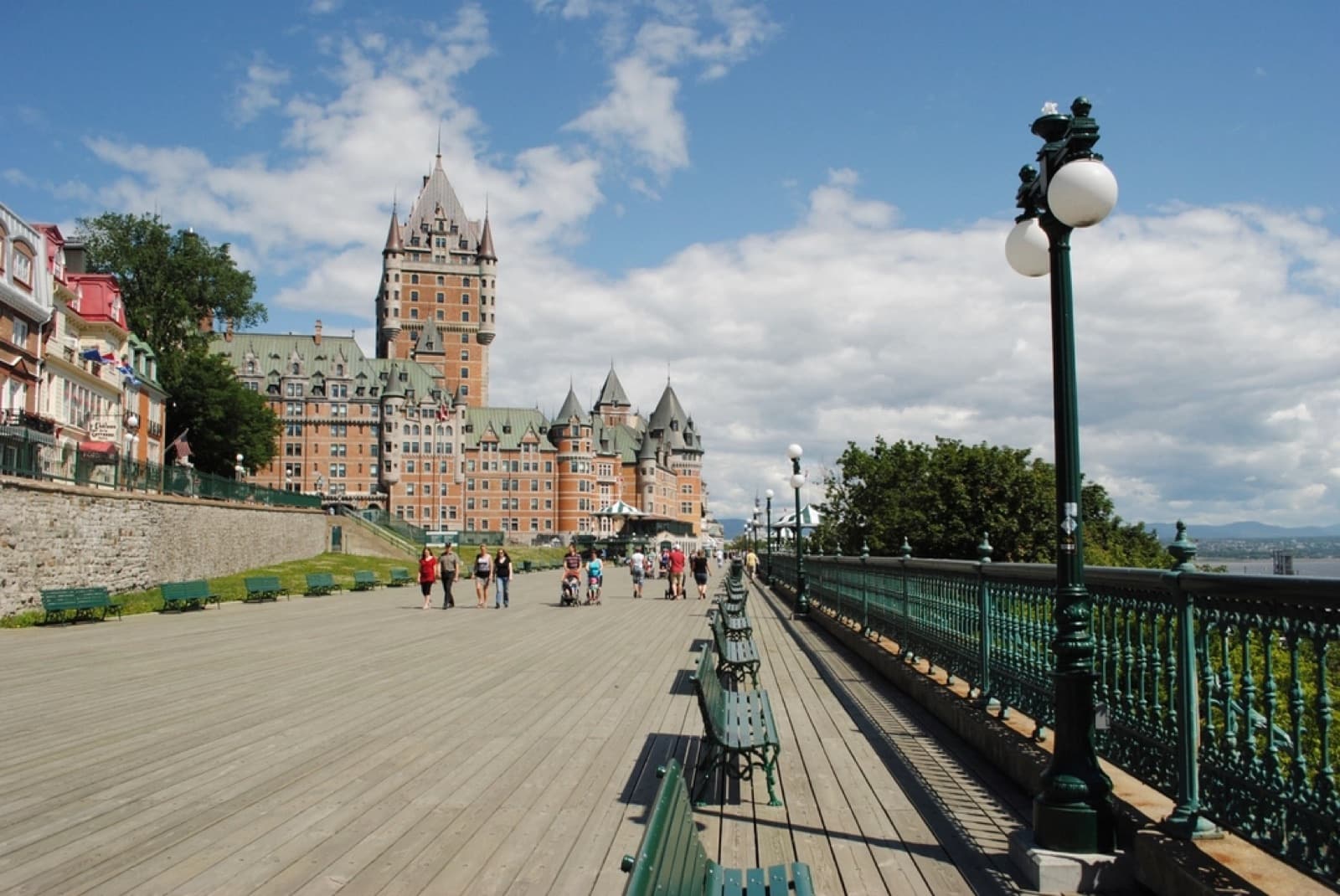
 Canada
Visitor & Super Visa
Visit family, attend a convocation or simply travel across Canada. A visitor visa application succeeds when it clearly shows the purpose of your trip, your finances and your ties to your home country. Parents and grandparents can also apply for the super visa for longer stays.
Overview
What you need to know
A visitor visa (Temporary Resident Visa) lets you travel to Canada for tourism, to visit family or for short business trips. Officers decide each application based on the purpose of your visit, your finances and whether you'll return home at the end of your stay.
Strong applications show a clear reason for the trip, enough funds and solid ties to your home country — a job, a business, property, family responsibilities or good travel history. Weak or generic applications are one of the most common reasons for refusals.
Parents and grandparents of Canadian citizens and permanent residents can also apply for a super visa. It allows much longer stays than a regular visitor visa, but it requires an invitation and support letter from the child or grandchild, proof that they meet the income requirement, and eligible medical insurance.
How we help
Our Visitor & Super Visa services
Tourist visa
For holidays and sightseeing, with a clear travel plan and financial documents.
Family visit
Visit children, siblings or relatives studying, working or living in Canada.
Super visa
For parents and grandparents of Canadian citizens and permanent residents, allowing longer stays.
Business visit
Meetings, conferences and trade events in Canada.
Convocation & events
Attend your child's graduation, weddings and family occasions.
Refusal re-applications
Review of a previous refusal and a stronger, better-documented re-application.
Step by step
How it works with Immiflows
- 01
Purpose & profile review
We understand why you're travelling and review your finances, job and travel history.
- 02
Document checklist
You get a personalised checklist for your visit type — tourism, family or super visa.
- 03
Forms & cover letter
We complete your forms and prepare a clear letter explaining your trip.
- 04
Biometrics & submission
We submit your application and guide you through biometrics.
- 05
Travel preparation
Once approved, we help with travel insurance and entry tips.
General eligibility
- Valid passport and genuine purpose of visit
- Enough funds for the trip
- Strong ties to your home country — job, business, property or family
- For super visa: invitation and income proof from the child or grandchild, plus medical insurance
Common documents
- Passport & old passports
- Bank statements & ITRs
- Employment or business proof
- Property documents
- Invitation letter
- Travel history
The exact checklist depends on your profile. We give you a personalised list after your assessment.
Avoid refusals
Common mistakes to avoid
Many refusals come from avoidable errors. These are the ones we see most often — and help our clients avoid.
- Large, unexplained deposits in bank statements
- Missing invitation details or proof of the host's status in Canada
- Re-applying without addressing the reasons for a previous refusal
- Information in forms that doesn't match the supporting documents
FAQs
Frequently asked questions
My visitor visa was refused. Can I apply again?
Yes. We review your refusal reasons and help you address them before re-applying.
How long can I stay on a super visa?
A super visa allows longer stays per entry than a regular visitor visa. We explain the current limits when we assess your case.
Do I need an invitation letter?
It's not always mandatory for tourism, but it's strongly recommended when visiting family.
Do I need to give biometrics?
Most applicants aged 14 to 79 need to give fingerprints and a photo. Biometrics are generally valid for 10 years, so you may not need to give them again if you've applied recently.
Can I work on a visitor visa?
No. A visitor visa doesn't allow you to work in Canada. If you want to work, you need a work permit.
Other Canada pathways

Ready to start your Canada journey?
Take the first step toward your move — your first assessment is free.